
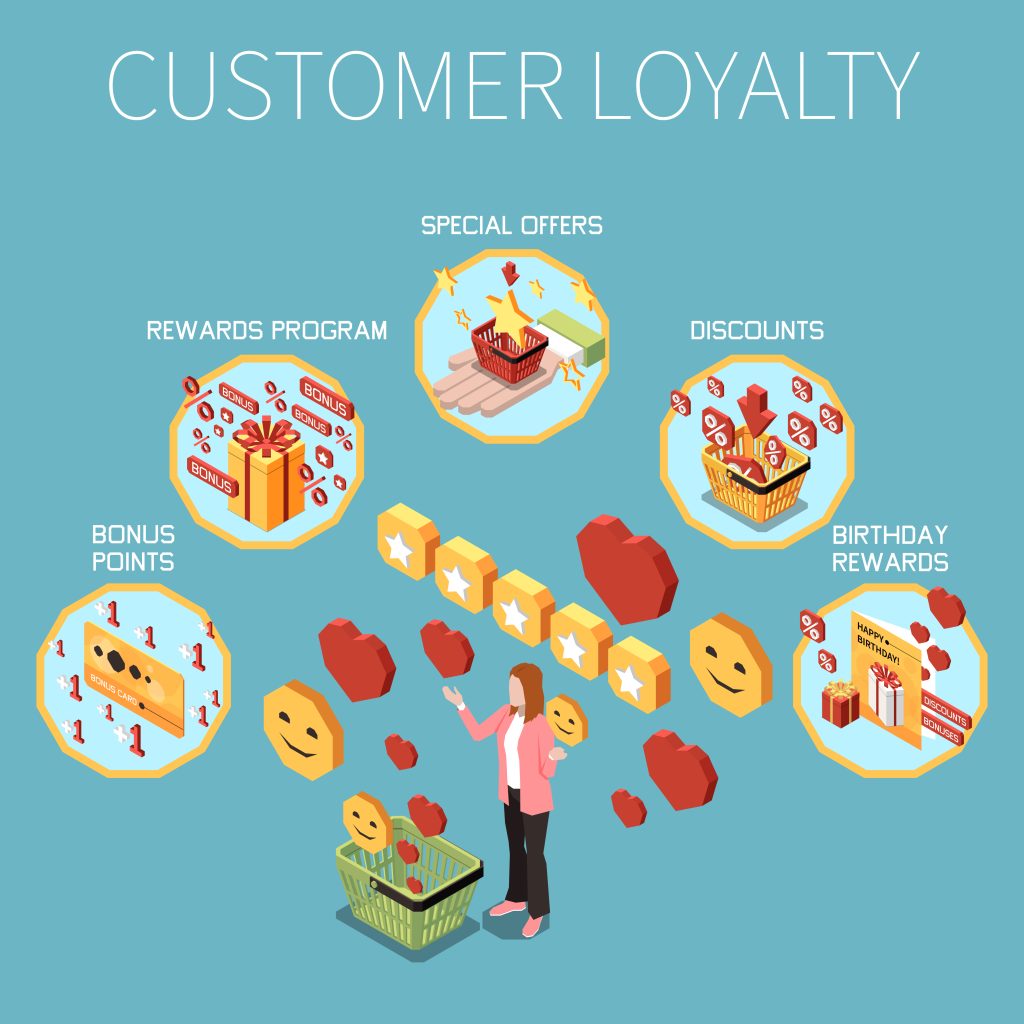
There’s a quiet math problem sitting underneath every business’s growth strategy, and it’s easy to overlook. Winning a new customer almost always costs more than keeping one you already have. Yet so many businesses pour the bulk of their attention and budget into acquisition, chasing the next new customer, while the ones already on their books slowly drift away simply because nobody gave them a reason to stay. This is usually where a well-built loyalty program software setup starts to earn its keep, not as a nice perk, but as a genuine growth lever hiding in plain sight.
Why Customer Retention Gets Overlooked
It’s easy to see why acquisition gets the spotlight. New customers are visible, measurable, and satisfying in a way that feels like progress. Retention, by contrast, is quieter. Nobody throws a celebration because a customer made their fifth purchase instead of their first. But that fifth purchase is often far more valuable, and far cheaper to earn, than the first one ever was.
The businesses that grow sustainably tend to understand this instinctively. They know that a loyal, returning customer isn’t just a repeat sale, they’re also more likely to recommend the business to others, more forgiving of the occasional mistake, and less sensitive to a competitor’s discount. Building that kind of loyalty on purpose, rather than hoping it happens naturally, is exactly the gap good loyalty program software is built to fill.
The Mechanics Behind a Customer Loyalty Points System
At the center of most loyalty programs sits a straightforward idea: reward people for coming back. A well-designed customer loyalty points system turns that idea into something concrete and trackable. Customers earn points for purchases, and sometimes for other valuable actions too, referring a friend, leaving a review, celebrating a birthday with the brand, and those points accumulate toward something worth having.
What makes this work isn’t the complexity of the math, it’s the clarity. Customers need to understand, quickly and without confusion, how they’re earning points and what those points are actually worth. A points system that feels opaque or overly complicated tends to get ignored entirely, no matter how generous the underlying rewards actually are. The best systems keep the mechanics simple enough that a customer can explain them to a friend in a single sentence.
There’s also a psychological piece worth noting here. Once someone has accumulated a meaningful number of points, walking away from a brand starts to feel like leaving value on the table. That small sense of accumulated investment is often what quietly tips a close decision back in a business’s favor.
Choosing the Right Kind of Rewards Program
Not every rewards program works the same way, and the right structure depends heavily on the business itself. A tiered program, where customers unlock better perks as they spend more, works well for businesses with a wide range of purchase sizes, since it gives customers something to work toward. A simpler points-per-dollar model tends to suit businesses with frequent, smaller purchases, where customers want to see progress often rather than waiting for a big milestone.
Whatever the structure, the rewards themselves need to feel genuinely worth pursuing. A discount that’s too small to notice, or a reward that takes an unreasonably long time to earn, tends to demotivate rather than inspire. On the other hand, rewards that feel a little unexpected, early access to a new product, a surprise bonus on a customer’s anniversary with the brand, tend to create the kind of goodwill that a standard percentage-off coupon simply can’t match.
Building Customer Retention Strategies Around Real Behavior
A loyalty program works best when it’s treated as one piece of a broader set of customer retention strategies, rather than a standalone fix expected to do all the work on its own. This means paying attention to what’s actually happening with customers before they leave. Are certain customers going quiet after their first purchase and never returning? Is there a particular point in the relationship where people tend to drop off?
Good retention strategy starts by understanding these patterns and then building interventions around them, a well-timed check-in, a personalized offer, a reminder of unused points sitting in someone’s account. A loyalty program gives a business the data to actually see these patterns clearly, rather than guessing at why customers disappear. That visibility alone often makes the difference between a retention strategy built on assumptions and one built on what customers are actually doing.
Making It Sustainable with Loyalty Automation
None of this is realistic to manage by hand once a customer base grows past a certain size, which is exactly why loyalty automation matters so much. Automated systems track points accurately in real time, send reminders when a customer is close to a reward, and trigger personalized offers based on individual behavior, all without requiring a person to manually monitor every account.
This matters for two reasons. First, consistency. A manually run program is prone to errors, points miscounted, rewards forgotten, birthdays missed, and those small mistakes chip away at the trust a loyalty program is supposed to build. Second, timing. A reward reminder sent the moment someone crosses a threshold performs far better than the same reminder sent a week later, once the moment of excitement has faded. Automation makes sure the right message reaches the right customer at the moment it actually matters, rather than whenever someone gets around to sending it.
Bringing It All Together
A strong loyalty strategy isn’t really about the points themselves. It’s about giving customers a genuine reason to keep choosing a business over the alternatives, and doing it in a way that feels rewarding rather than gimmicky. Good loyalty program software provides the structure. A well-designed customer loyalty points system makes the value clear and trackable. The right rewards program makes the effort feel worthwhile. Solid customer retention strategies make sure the program is solving real problems rather than just existing for its own sake. And loyalty automation keeps the whole thing running accurately and consistently, without depending on someone remembering to hit send.
For any business that’s spending heavily to bring new customers in the front door while quietly losing existing ones out the back, building a real loyalty program is often one of the more overlooked ways to close that gap. The customers already choosing you are usually the easiest ones to keep, if you give them a reason worth sticking around for.
INSYS is an information management system designed for small and medium businesses, organizations, church, and schools. With INSYS, you will be able to manage and automate all your functions in operations, human resources, marketing/outreach, procurement, finance, media, and communication. This will help you increase your efficiency and lower your overheads. INSYS has a Marketing Module with a Loyalty Points Program that help retain customer loyalty.