
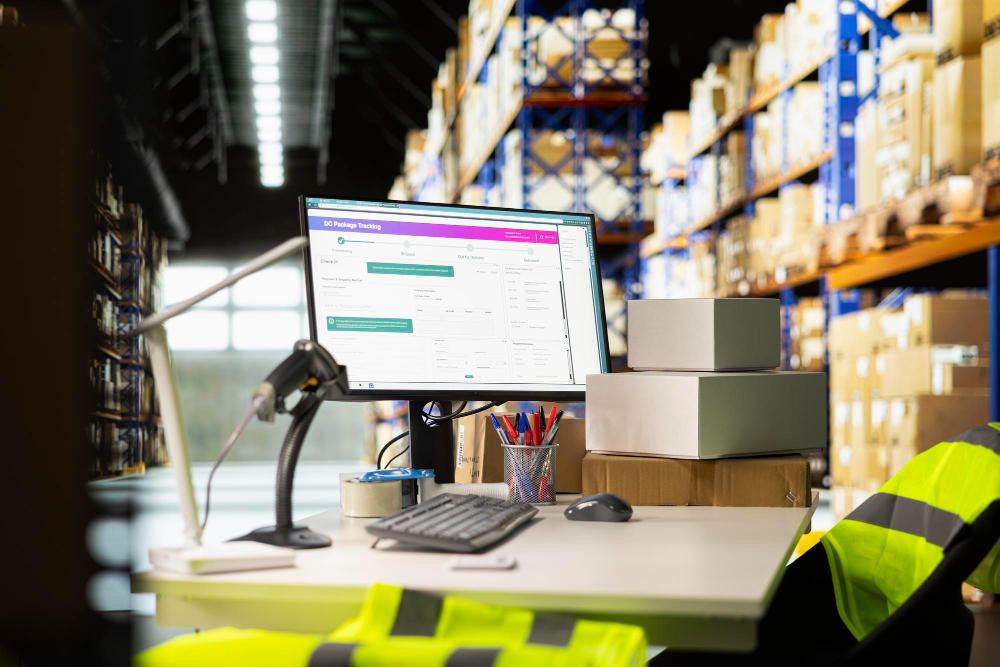
In today’s fast-paced business environment, efficient store operations are critical for profitability and customer satisfaction. Whether in retail, wholesale, or manufacturing, businesses must maintain precise control over inventory, streamline purchasing processes, and ensure smooth warehouse operations. This is where a store management system becomes indispensable.
A modern store management system integrates multiple operational functions—inventory tracking, procurement, and warehouse logistics—into a unified platform. When combined with robust warehouse management software, businesses can achieve real-time visibility, reduce operational inefficiencies, and scale seamlessly.
What is a Store Management System?
A store management system is a digital solution designed to oversee and automate store-related processes, including inventory handling, purchasing, sales tracking, and reporting. It acts as the backbone of operational efficiency by consolidating data and workflows into a centralized system.
By implementing an inventory store management system, businesses can track stock levels, monitor product movement, and minimize discrepancies. This ensures that decision-makers always have accurate, up-to-date information.
The Role of Inventory Store Management
Effective inventory store management is essential for maintaining optimal stock levels. Overstocking ties up capital and increases storage costs, while understocking leads to lost sales and dissatisfied customers.
Key Benefits:
- Real-time stock visibility: Monitor inventory levels across multiple locations.
- Reduced shrinkage: Minimize losses due to theft, damage, or mismanagement.
- Demand forecasting: Predict future stock requirements based on historical data.
- Automated replenishment: Trigger restocking when inventory reaches predefined thresholds.
A reliable store inventory control system ensures that every item is accounted for, improving accuracy and operational efficiency.
Enhancing Retail Stock Management
Retail businesses, in particular, rely heavily on an efficient retail stock management system to meet customer demand and maintain profitability. With multiple SKUs and fluctuating demand patterns, manual tracking is no longer viable.
How Systems Improve Retail Operations:
- Barcode and RFID integration: Enables quick and accurate stock tracking.
- Point-of-sale (POS) integration: Synchronizes sales data with inventory in real time.
- Multi-store management: Centralized control for businesses with multiple outlets.
- Stock optimization: Maintains ideal inventory levels to maximize turnover.
By leveraging a store management system, retailers can ensure that shelves are always stocked with the right products at the right time.
Streamlining Purchasing Processes
Procurement is a critical component of store operations. Without proper systems in place, purchasing can become inefficient, leading to delays, excess inventory, or stock shortages.
A store management system simplifies purchasing by:
- Automating purchase orders based on stock levels
- Tracking supplier performance and pricing
- Managing purchase approvals and workflows
- Integrating with accounting systems for financial accuracy
When combined with inventory store management, businesses can align procurement with actual demand, reducing waste and improving cash flow.
Warehouse Operations and Management
Efficient warehouse operations are essential for handling inventory storage, picking, packing, and distribution. This is where warehouse management software plays a crucial role.
Key Features of Warehouse Management Software:
- Location management: Assigns specific storage locations for items.
- Order fulfillment optimization: Streamlines picking and packing processes.
- Inventory tracking: Provides real-time updates on stock movement.
- Labor management: Improves workforce productivity through task allocation.
Integrating warehouse management software with a store management system ensures seamless coordination between front-end sales and back-end logistics.
The Importance of a Store Inventory Control System
A store inventory control system is the foundation of accurate stock management. It ensures that inventory records match physical stock, reducing discrepancies and improving accountability.
Core Functions:
- Stock auditing and reconciliation
- Batch and expiry tracking
- Serial number tracking
- Automated alerts for low stock or overstock
By implementing a robust store inventory control system, businesses can maintain consistency, avoid stockouts, and enhance operational transparency.
Automation and Digital Transformation
Automation is transforming how businesses manage their stores. From inventory tracking to procurement and warehouse operations, digital tools are eliminating manual errors and improving efficiency.
Benefits of Automation:
- Increased accuracy: Reduces human error in data entry and calculations
- Time savings: Automates repetitive tasks
- Data-driven decisions: Provides actionable insights through analytics
- Scalability: Supports business growth without operational bottlenecks
A modern store management system equipped with automation capabilities enables businesses to stay competitive in a rapidly evolving market.
Integration Across Business Functions
One of the biggest advantages of using a store management system is its ability to integrate various business functions. From sales and inventory to procurement and finance, all processes are interconnected.
Integration Benefits:
- Improved data consistency across departments
- Enhanced communication and collaboration
- Faster decision-making with real-time insights
- Reduced operational silos
When integrated with warehouse management software and retail stock management tools, businesses can achieve end-to-end visibility and control.
Choosing the Right Store Management System
Selecting the right store management system is crucial for maximizing ROI. Businesses should consider the following factors:
Key Considerations:
- Scalability: Can the system grow with your business?
- Ease of use: Is the interface user-friendly?
- Customization: Can it be tailored to your specific needs?
- Integration capabilities: Does it work with existing systems?
- Support and maintenance: Is reliable technical support available?
A well-chosen system will enhance inventory store management, streamline purchasing, and optimize warehouse operations.
Future Trends in Store Management
The future of store management lies in advanced technologies such as artificial intelligence (AI), machine learning, and the Internet of Things (IoT).
Emerging Trends:
- AI-driven demand forecasting
- Smart warehouses with IoT sensors
- Cloud-based store management solutions
- Mobile inventory management applications
These innovations will further enhance store inventory control systems and improve overall efficiency.
Conclusion
Efficient store operations are the cornerstone of business success. A robust store management system, combined with powerful warehouse management software, enables businesses to optimize inventory, streamline purchasing, and improve warehouse efficiency.
By investing in advanced inventory store management, retail stock management, and a reliable store inventory control system, businesses can reduce costs, improve accuracy, and deliver better customer experiences.
In a competitive market, adopting the right technology is no longer optional—it’s essential for sustainable growth and operational excellence.
INSYS is an information management system designed for small and medium businesses, organizations, church, and schools. With INSYS, you will be able to manage and automate all your functions in operations, human resources, marketing/outreach, procurement, finance, media, and communication. This will help you increase your efficiency and lower your overheads. INSYS has a Procurement Module that can help you in store management hence ensuring smooth storage and warehousing operations.